
The Rise of No-Code and Low-Code Platforms for Entrepreneurs in 2026
Tshephang Moshima

No-code and low-code platforms are rapidly transforming how digital products are created, tested, and launched in today’s fast-paced business environment. In the past, building software required advanced programming skills, long development cycles, and significant financial investment. This made it difficult for many entrepreneurs and small businesses to bring their ideas to life. However, in 2026, these barriers are being removed as no-code and low-code platforms provide simple, user-friendly solutions that allow individuals to build applications, websites, and digital systems without deep technical knowledge. These platforms are not only making development more accessible but are also accelerating innovation across industries. Entrepreneurs can now quickly turn ideas into working products, test them in real markets, and improve them based on user feedback. This ability to move quickly is especially important in a competitive digital economy where speed and adaptability determine success. Startups are increasingly relying on no-code and low-code tools to reduce costs, shorten development time, and focus more on solving real-world problems. As digital transformation continues to shape businesses globally, these platforms are becoming essential tools for entrepreneurs who want to remain competitive, efficient, and innovative.
No-code and low-code platforms are development tools that allow users to create digital applications with minimal or no coding experience. No-code platforms are designed for non-technical users and provide visual interfaces, drag-and-drop features, and pre-built templates that simplify the development process. Low-code platforms, while slightly more technical, still reduce the amount of coding required and are often used by developers to speed up application development. These platforms remove the complexity traditionally associated with software development. Instead of writing thousands of lines of code, users can design applications visually by selecting components, connecting workflows, and customizing features based on their needs. This significantly reduces development time and makes it easier for individuals and businesses to build functional digital products. No-code and low-code tools are widely used to create websites, mobile applications, e-commerce stores, and internal business systems. Their flexibility allows entrepreneurs to experiment with different ideas and quickly adapt to market changes. As a result, these platforms are becoming an important part of the modern digital ecosystem.
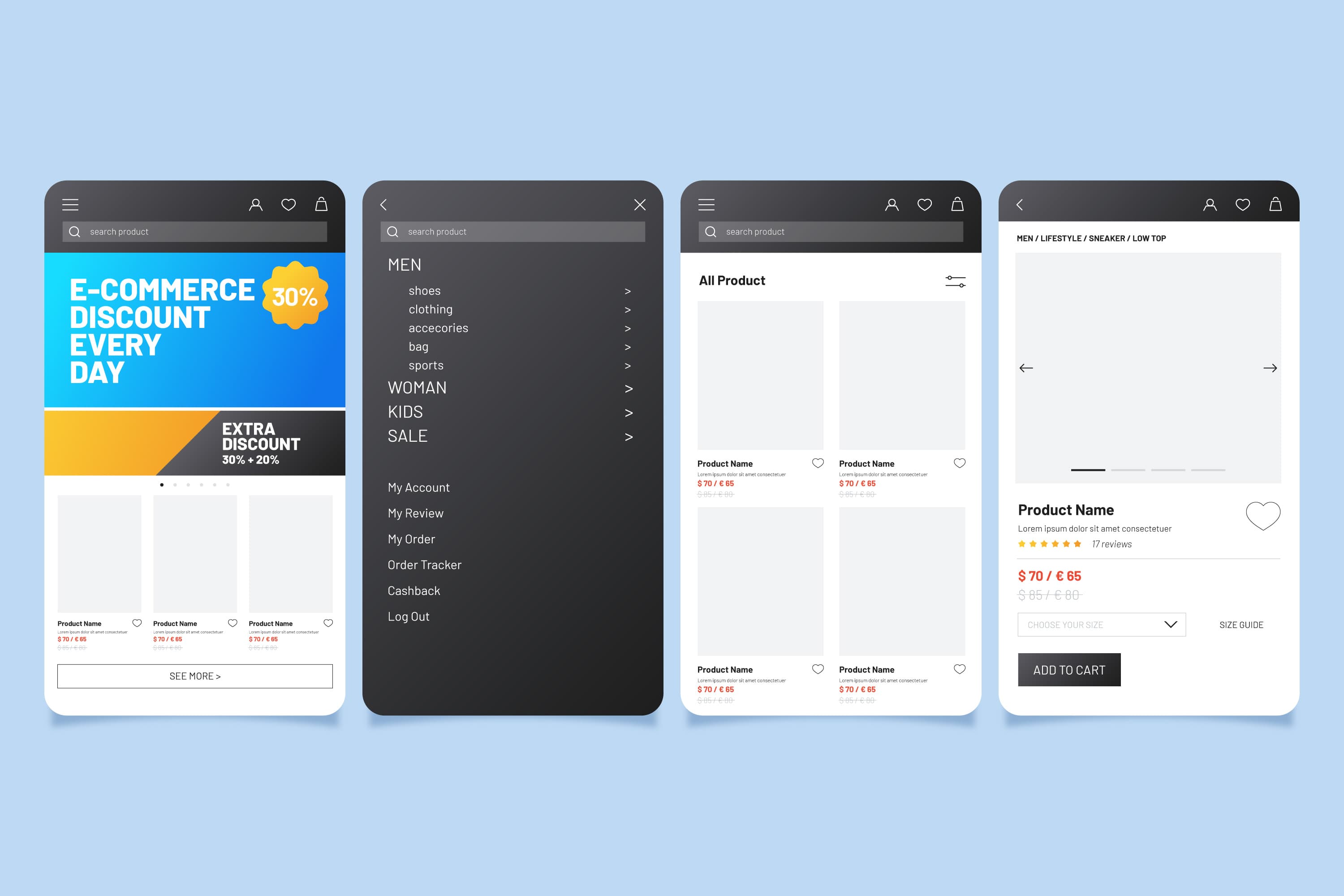 No-code platforms allow users to build applications without coding
No-code and low-code platforms provide significant advantages for entrepreneurs and startups, especially those with limited resources. One of the most important benefits is cost efficiency. Traditional software development can be expensive, requiring skilled developers and long development timelines. With no-code tools, entrepreneurs can build applications themselves, reducing costs and allowing them to allocate resources to other areas of their business. Another major benefit is speed. Entrepreneurs can quickly create prototypes, test their ideas in the market, and gather feedback from users. This rapid development cycle allows startups to improve their products continuously and respond to customer needs more effectively. Instead of waiting months to launch a product, businesses can go live in a much shorter time. No-code platforms also encourage innovation by making technology accessible to a wider audience. People with creative ideas but no technical background can now build digital solutions and enter the market. This has led to an increase in new startups and digital products, contributing to economic growth and technological advancement.
 No-code tools enable faster and more affordable product development
No-code and low-code platforms are playing a key role in helping businesses undergo digital transformation. Companies are using these tools to digitize their processes, automate workflows, and improve overall efficiency. By reducing reliance on traditional development methods, businesses can adopt new technologies more quickly and stay competitive in a rapidly changing market. For example, organizations can use no-code platforms to build internal systems for managing operations, tracking performance, and improving communication. These tools help streamline processes and reduce manual work, allowing employees to focus on more strategic tasks. Startups are also leveraging no-code platforms to build scalable solutions and test innovative ideas. This flexibility allows them to experiment, learn, and adapt quickly, which is essential for growth in the digital economy. As more businesses embrace digital transformation, no-code tools are becoming essential for driving efficiency and innovation.
 No-code platforms support digital transformation and business efficiency
The future of no-code and low-code platforms is expected to bring even more advanced capabilities and wider adoption across industries. These platforms are continuously evolving, offering improved integrations with other technologies such as cloud computing, data analytics, and business management systems. This will make them more powerful and suitable for building complex applications. As businesses continue to prioritize speed and efficiency, no-code platforms will play an even greater role in product development and innovation. Entrepreneurs will be able to create more sophisticated digital products without relying heavily on technical teams, allowing them to focus on strategy and growth. Businesses are increasingly exploring digital platform solutions to improve operations and remain competitive. In the coming years, no-code and low-code platforms will continue to reshape how digital products are built, making technology more accessible and empowering a new generation of innovators.
 No-code platforms will continue evolving with advanced features
Enhance your business with expert web/app development, SEO services. Drive growth and engage customers effectively.
